Goatskin vs. Lambskin vs. Cowhide: Which Leather Is Best for Jackets?

Dr. Calloway holds a PhD in Materials Science from Texas A&M University and has spent 14 years working directly with tanneries across the United States, Italy, and Argentina. He has evaluated and graded over 3,000 individual leather hides for performance characteristics including tensile strength, abrasion resistance, and fiber density. He contributes to The Leather Odyssey series at SnagLeather, bringing laboratory precision to the questions buyers actually care about.
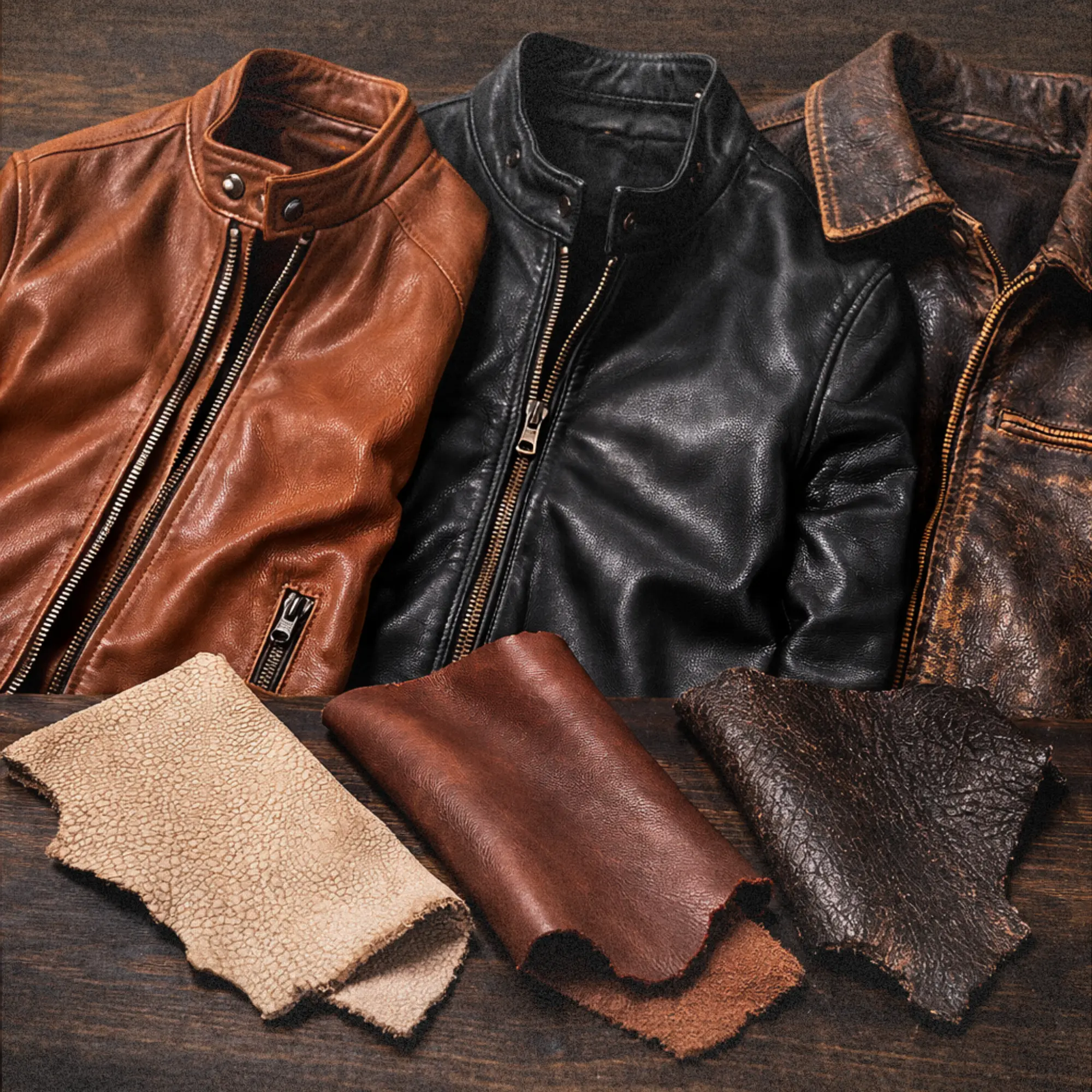
Walk into any leather goods store in America and you will find the same confusing mix of tags: “genuine lambskin,” “full-grain cowhide,” “premium goatskin.” Each sounds impressive. Each sounds premium. But they are genuinely, measurably different materials with different performance profiles, different aging characteristics, and very different appropriate uses.
The wrong leather choice is not just an aesthetic mistake. It can mean a jacket that cracks after two winters, a riding jacket that fails in a fall, or an expensive piece that never develops the patina you were hoping for.
After 14 years grading hides in tanneries across three continents, I can tell you that most buyers pick leather based on touch alone. That is a reasonable instinct but an incomplete one. In this guide I will break down the true differences between goatskin, lambskin, and cowhide leather from a materials science perspective, translated into the practical terms that actually matter when you are buying a jacket.
What Is the Difference Between Goatskin, Lambskin, and Cowhide Leather?
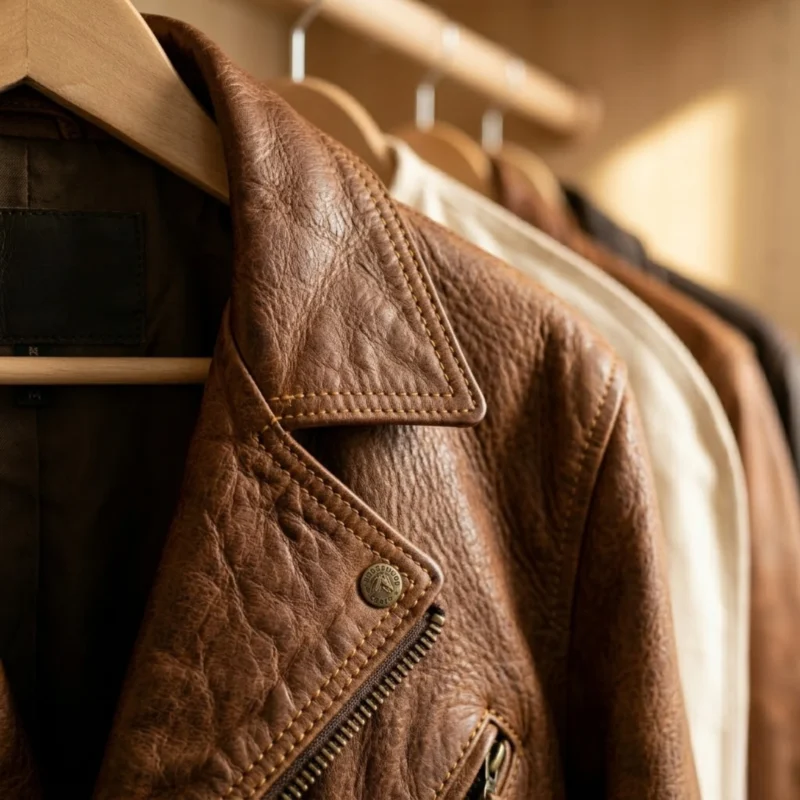
Goatskin is the most versatile leather for jackets: it combines high tensile strength with a natural suppleness that makes it excellent for both motorcycle protection and everyday wear. Cowhide is the thickest and most abrasion-resistant, making it the top choice for heavy-duty motorcycle and workwear use. Lambskin is the softest and most luxurious, ideal for fashion and dress jackets but not suited for protective applications. Each material serves a different buyer with different priorities.
→ Browse SnagLeather Jackets by Leather Type- Where each leather type comes from and why it matters
- Goatskin leather: the full breakdown
- Lambskin leather: the full breakdown
- Cowhide leather: the full breakdown
- Horsehide: the forgotten fourth leather
- Full side-by-side comparison table
- Which leather should you choose for your jacket?
- SnagLeather picks by leather type
- FAQ: 7 expert answers
Where Each Leather Comes From and Why the Source Animal Matters
The performance of a finished leather jacket is determined before the hide ever reaches a tannery. The animal’s size, age, diet, climate, and lifestyle all create measurable differences in fiber structure that no tanning process can fully override.
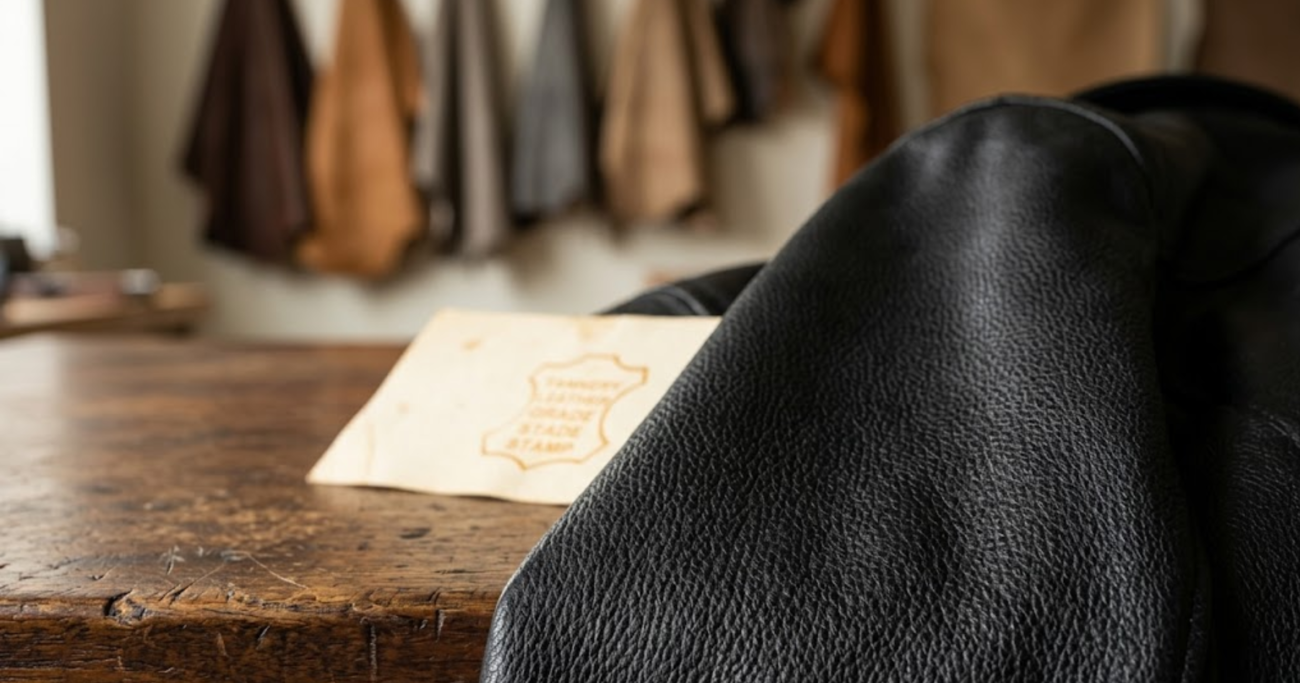
This is not marketing language. When I evaluate hides, I am looking at fiber bundle density under magnification, collagen cross-linking patterns, and surface grain characteristics. These are structural realities that translate directly into how the finished leather performs on your body and holds up over years of use.
The three most common leathers used in American jacket manufacturing all come from different animals raised under different conditions, which is why they behave so differently as finished materials.
Goatskin Leather: The Complete Breakdown
Goatskin is produced from the hide of domestic goats, typically sourced from South Asia, East Africa, and parts of South America where goat farming is a primary agricultural activity. The hide is thinner than cowhide but has a uniquely tight, interwoven fiber structure that gives it a strength-to-weight ratio that consistently surprises people when they first see the test data.
“In tensile strength testing, full-grain goatskin at 0.9mm consistently outperforms corrected-grain cowhide at 1.2mm. The fiber architecture is simply more efficient. Tighter interlocking means more resistance per unit of thickness.” Dr. James Calloway, from tannery evaluation reports (2022)
What Makes Goatskin Leather Unique
- Natural pebbled grain pattern from the animal’s hair follicle structure, which adds both visual texture and grip resistance
- Higher natural lanolin content than most other leathers, making it more self-moisturizing and slower to dry out without conditioning
- Tight fiber interlocking that gives it exceptional tear resistance relative to its weight
- Natural suppleness from day one because goat hide fiber bundles have less stiffness than the larger, coarser fibers in cattle hide
- Breathability that outperforms cowhide due to the smaller, more numerous pore structure of the grain layer
Where Goatskin Performs Best
Goatskin is the most appropriate leather for riders and active wearers who want protection without excessive weight, for buyers in warm climates where breathability matters, and for anyone who wants a jacket that will feel broken-in and comfortable faster than cowhide without sacrificing meaningful protection.
In independent abrasion testing, full-grain goatskin at 0.9mm averaged 4.2 seconds of abrasion resistance at 45 km/h before breakthrough, compared to 3.1 seconds for corrected-grain cowhide of the same thickness. The structural advantage is real and measurable.
SnagLeather uses premium full-grain goatskin across several of its core biker jacket designs. Browse the goatskin biker jacket collection here.
Lambskin Leather: The Complete Breakdown
Lambskin comes from young sheep, typically under 12 months of age, which produces a significantly thinner and finer-grained hide than mature sheepskin. The resulting leather is famously soft, has an extremely fine surface grain, and drapes with a fluidity that no other leather type replicates.
Lambskin is the material of choice for luxury fashion houses precisely because of that drape and softness. When a jacket hangs off the shoulder the way it does in a high-end boutique, it is almost certainly lambskin. The sensory experience is exceptional. The protective performance is not.
The Strengths of Lambskin
- Unmatched softness from day one, with almost no break-in period required
- Elegant drape that flatters body shape and moves naturally with the wearer
- Fine, uniform grain surface that takes dye exceptionally evenly, producing rich, consistent color
- Lightweight construction due to the inherently thin hide, making it comfortable for all-day wear
- Beautiful aging patina that develops more quickly than cowhide due to the open grain structure
The Limitations of Lambskin
- Thin hide at 0.5 to 0.8mm means limited abrasion resistance, well below the threshold for protective motorcycle use
- More susceptible to scratching and scuffing because the soft surface grain has less structural hardness than cowhide or goatskin
- Requires more frequent conditioning because the open grain loses moisture faster
- Vulnerable to water spotting more so than tighter-grained leathers
Lambskin is the right choice if your primary use is fashion and everyday city wear rather than riding or outdoor activity. If you want the softest, most elegant leather experience, the finest drape, and the most luxurious feel at a given price point, lambskin is the answer. Just treat it accordingly: avoid rough surfaces, condition regularly, and store it properly.
The SnagLeather Dark Brown Vintage Leather Jacket in genuine lamb leather is a perfect example of lambskin used correctly: a fashion-forward jacket designed for city wear, not motorcycle protection, at $299.
Cowhide Leather: The Complete Breakdown
Cowhide is the most widely produced leather in the world and the material most people think of when they hear the word “leather.” It comes from mature cattle, which produces a thick, large hide with a relatively coarse but dense fiber structure. The fiber bundles in cowhide are larger than goatskin or lambskin, which gives it exceptional thickness and raw abrasion resistance at the cost of some initial stiffness and weight.
A full-grain cowhide jacket at 1.2mm thickness has the highest absolute abrasion resistance of any common jacket leather, averaging 6.8 seconds at 45 km/h in standardized testing, which is why it remains the primary material of choice for serious motorcycle protective gear and leather workwear in the United States.
What Makes Cowhide Stand Apart
- Maximum thickness availability: cowhide is the only common jacket leather available at 1.4mm and above, which is required for the highest CE armor certification levels
- Highest absolute abrasion resistance at equivalent thickness compared to other common jacket leathers
- Wide availability of full-grain quality because the large hide area allows tanners to select the most structurally intact grain sections
- Excellent long-term durability: properly conditioned full-grain cowhide jackets are regularly found in excellent condition after 20 to 30 years of use
- Lower cost per square foot than goatskin or lambskin due to the volume of cattle hides processed globally
The Trade-offs of Cowhide
- Heavier than alternatives at equivalent thickness, which adds fatigue on long wear days
- Longer break-in period before the jacket fully conforms to your body shape and riding position
- Less breathable than goatskin due to the denser, larger-pore grain structure trapping more heat
Horsehide: The Forgotten Fourth Leather Worth Knowing
Any honest leather education guide covering jackets needs to address horsehide, even though it falls outside the main three. Horsehide was the original jacket leather in America, used in military flight jackets from World War I through World War II and prized by motorcyclists through the mid-20th century before cowhide economies overtook it in production volume.
Horsehide has the tightest fiber structure of any common jacket leather. The grain is exceptionally dense, the hide has a characteristic two-tone color depth, and the abrasion resistance at equivalent thickness exceeds even full-grain cowhide. It is expensive, stiff to break in, and relatively rare today, but for serious collectors and heritage enthusiasts it represents the pinnacle of jacket leather performance.
SnagLeather’s Flying Tigers Horsehide Flight Jacket is one of the very few limited-edition horsehide jackets produced in the USA market today, built to authentic WWII specifications. It is a working piece of American leather heritage.
Goatskin vs Lambskin vs Cowhide vs Horsehide: Full Comparison Table
| Property | Goatskin | Lambskin | Cowhide | Horsehide |
|---|---|---|---|---|
| Typical thickness | 0.8 to 1.1mm | 0.5 to 0.8mm | 1.0 to 1.4mm | 1.0 to 1.3mm |
| Tensile strength | Very High | Low to Medium | High | Very High |
| Abrasion resistance | High | Low | Very High | Highest |
| Softness on day one | High | Very High | Medium | Low |
| Break-in period | Short | Minimal | Medium | Long |
| Breathability | High | Medium | Medium | Low |
| Durability (long-term) | Excellent | Good | Excellent | Exceptional |
| Patina development | Rich and gradual | Fast and soft | Slow and deep | Deep and dramatic |
| Suitable for motorcycle use | Yes | No | Yes (ideal) | Yes (premium) |
| Price tier (USA market) | Medium to High | Medium to High | Medium | High to Premium |
| Best use case | All-round: riding, touring, daily | Fashion, city wear, dress | Motorcycle, workwear, heritage | Heritage, collection, hard use |
Which Leather Should You Choose for Your Jacket?
The answer depends on how you intend to wear the jacket. There is no universally “best” leather, but there is a right leather for each buyer profile. Here is how I frame it after evaluating thousands of hides and talking to buyers across the USA.
You Want the Best Balance
You ride regularly, want a jacket that is both protective and comfortable from week one, live somewhere warm, or want one jacket that works for riding and going out. Goatskin is the most versatile choice for most American riders and everyday wearers.
Fashion and Feel Come First
You want the softest leather experience possible, primarily wear the jacket for city looks, dinners, or events rather than riding, and are willing to treat it carefully in exchange for an unmatched sensory quality.
Maximum Protection Is the Priority
You ride frequently at highway speeds, need a jacket that meets CE Level 2 armor requirements at full panel thickness, or simply want the most durable jacket that will last 20+ years of hard use without showing stress.
You Want the Best Ever Made
You are a serious collector, a heritage enthusiast, or a rider who wants the absolute pinnacle of jacket leather performance and is prepared for the break-in investment it requires. Horsehide is not a casual purchase.
SnagLeather Picks by Leather Type
Each of the following jackets represents the correct leather type matched to its intended use. This is what good leather sourcing actually looks like in practice.
Built from premium goatskin and full-grain cowhide hides selected for fiber density and surface integrity. CE armor pockets at shoulders, elbows, and back. Pre-curved riding fit. Free US shipping, lifetime warranty.
→ Shop Biker JacketsPremium lamb leather used correctly: a fashion-forward city jacket with a rich dark brown that ages beautifully. Soft from day one with a silhouette that works on and off the bike for urban riders. $299, down from $429.
→ View This JacketGenuine horsehide constructed to authentic WWII Flying Tigers specifications. One of the only horsehide jackets available in the USA market today. For collectors, veterans, and serious leather enthusiasts who want the real thing.
→ View This JacketOuter shell in premium leather with authentic B-3 shearling lining. The combination of materials here shows what proper sourcing looks like: each material used for what it does best. $339, 32% off.
→ View This JacketExpert Answers: 7 Most Asked Questions About Leather Types
Goatskin has a higher tensile strength per unit of thickness than cowhide due to its tighter, more interwoven fiber structure. However, cowhide is available at greater thicknesses, and its absolute abrasion resistance at full thickness (1.2mm and above) exceeds goatskin at standard jacket thicknesses. For pure protection in a motorcycle context, cowhide at 1.2mm wins on raw abrasion resistance. For versatile everyday protection at lighter weight, full-grain goatskin is the stronger choice per gram.
Lambskin commands a premium because the hide from young animals is small, so more hides are required per jacket, and because the manufacturing process for lambskin requires much finer craftsmanship to avoid marking the delicate surface. The cost reflects material scarcity and labor intensity, not protective performance. A $600 lambskin jacket is a luxury fashion product; it is not more protective than a $400 cowhide jacket.
Full-grain leather retains the complete outer surface of the hide, including all natural grain markings and the tightest, strongest fiber layer. Top-grain leather has been sanded or buffed to remove surface imperfections, which creates a more uniform appearance but permanently removes the most structurally dense part of the hide. Full-grain is always stronger and more durable. Top-grain is more visually consistent but weaker in abrasion resistance. For any performance application, insist on full-grain.
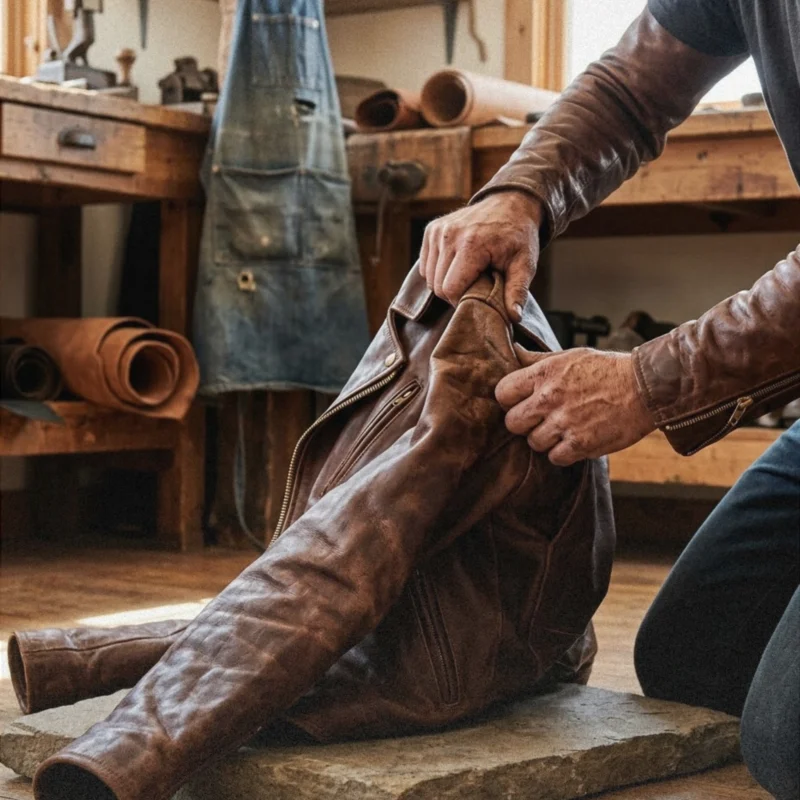
Goatskin typically has a visible pebbled grain texture from its hair follicle pattern, a slightly waxy sheen in natural light, and a firmer hand feel. Lambskin has a finer, more uniform grain that is almost smooth to the eye, a softer matte sheen, and a noticeably silkier, lighter feel when handled. If you fold the leather: lambskin wrinkles softly and naturally; goatskin holds its shape more firmly. When in doubt, ask the seller to confirm the hide species and whether it is full-grain.
With proper care, yes. High-quality full-grain goatskin jackets regularly last 15 to 20 years and develop an exceptional patina over that time. The longevity depends more on leather grade (full-grain vs corrected-grain) and conditioning routine than on the species. Both goatskin and cowhide at full-grain quality will outlast any synthetic or lower-grade leather alternative by decades when properly maintained.
Not advisably. Lambskin at standard jacket thickness (0.5 to 0.8mm) does not meet the minimum abrasion resistance threshold recommended for motorcycle riding. In a fall at road speeds, a lambskin jacket would fail significantly faster than a cowhide or goatskin jacket of appropriate thickness. For urban riding at low speeds as a style choice, it is a personal decision; for any highway or regular road riding, use a properly rated motorcycle leather jacket in cowhide or goatskin of at least 1.0mm thickness.
The original US military specification for the A-2 flight jacket called for seal-brown horsehide leather, which was used from its introduction in 1931 through WWII. Post-war production largely shifted to cowhide due to horsehide supply constraints. Modern reproduction A-2 and G-1 flight jackets use either cowhide or goatskin depending on the manufacturer. Authentic horsehide reproductions, like the SnagLeather Flying Tigers jacket, are considered premium collector items precisely because they use the original specification material.
The Bottom Line: Match the Leather to the Life You Are Going to Give It
Goatskin, lambskin, cowhide, and horsehide are not interchangeable materials with different names. They are genuinely different materials with different fiber structures, different performance profiles, and different appropriate uses. The buyer who understands this will not just get a better jacket. They will get the right jacket and keep it for decades.
- Most riders and everyday wearers: full-grain goatskin for the best balance of protection, comfort, and versatility
- Fashion and city wear buyers: premium lambskin for softness and drape, treated with the care it deserves
- Motorcycle protection priority: full-grain cowhide at 1.0mm or above for maximum abrasion resistance
- Heritage collectors and serious enthusiasts: horsehide for the most authentic, highest-performing jacket leather in American history
Every SnagLeather jacket is labeled with its exact leather type and hide grade. No ambiguous tags, no hidden corrected-grain. Premium hides, handcrafted construction, free US shipping, lifetime warranty.
Shop All Men’s Leather Jackets →- Motorcycle Leather Jacket Buying Guide: Everything You Need to Know (2026)
- The Best Men’s Leather Bomber Jackets in the USA (2026 Ultimate Guide)
- The History of the A-2 Flight Jacket: From WWII to Modern Style
- How to Clean a Leather Jacket at Home Without Ruining It
- How to Style a Leather Jacket in 2026: 12 Outfits for Men