The 10 Most Iconic Leather Jacket Moments in American Culture (and How to Recreate Them)

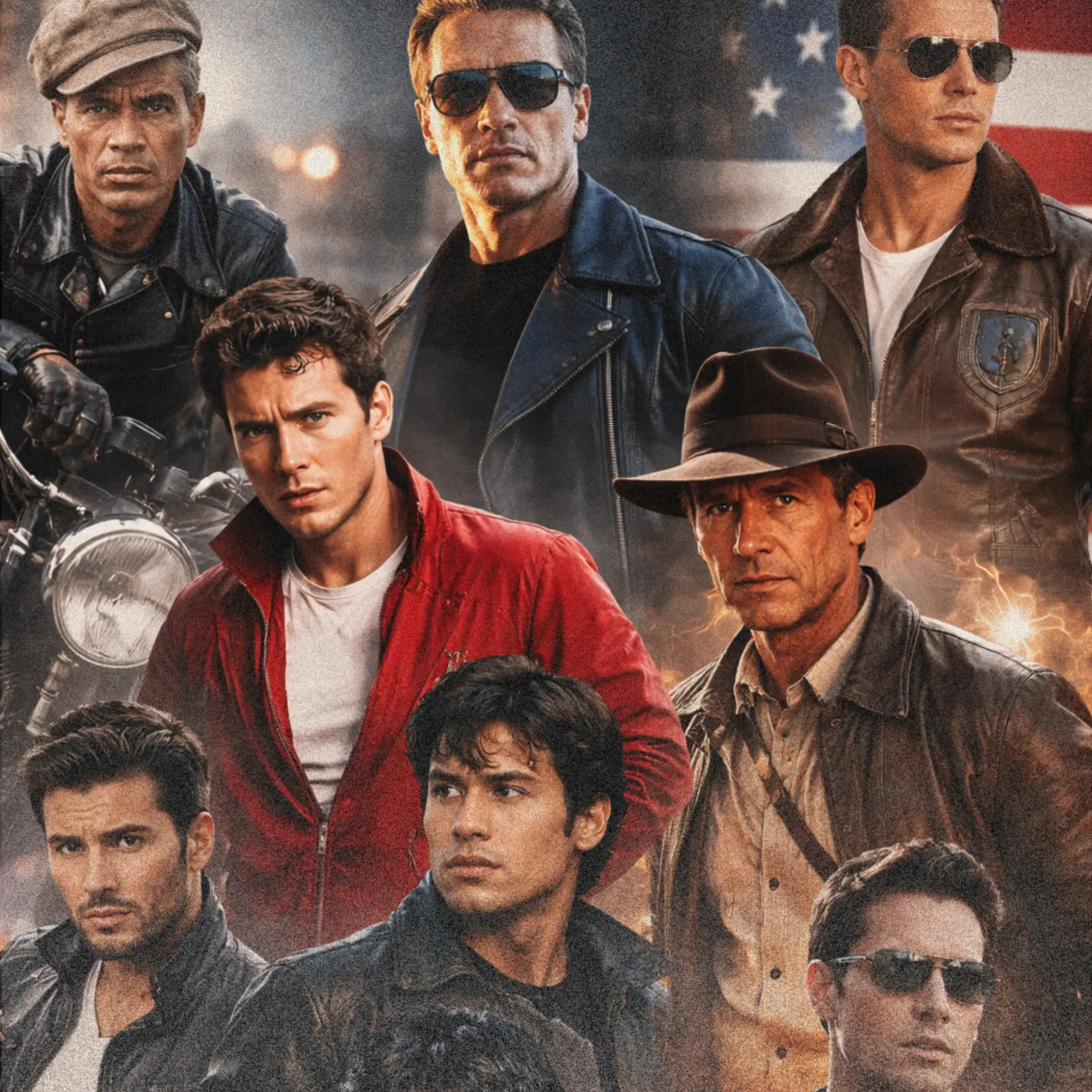
There is no piece of clothing more deeply woven into the American identity than the leather jacket. From the cockpits of WWII bombers to the stages of Madison Square Garden, from the back roads of Appalachia to the boulevards of Los Angeles, the leather jacket has been present at every defining moment of American culture for the past 90 years.
It has never just been an item of clothing. Every time someone put on a leather jacket in a defining cultural moment, they were making a statement about freedom, rebellion, toughness, or belonging that resonated far beyond the moment itself.
In this guide I have tracked down the 10 most culturally significant leather jacket moments in American history and broken down exactly how you can recreate each look today with modern pieces that honor the original without being a costume.
What Are the Most Iconic Leather Jacket Moments in American Culture?
The most iconic leather jacket moments in American culture span from Marlon Brando in The Wild One (1953) and James Dean in Rebel Without a Cause (1955) through the WWII pilot heritage of the A-2 flight jacket, the Ramones at CBGB in 1976, Bruce Springsteen on the Born in the USA album cover in 1984, and into the modern era with hip hop and streetwear adopting the leather jacket as a luxury status symbol. Each moment represents a distinct chapter of American identity expressed through one garment.
→ Find Your Iconic Look at SnagLeather- Marlon Brando in The Wild One (1953)
- WWII Pilots and the A-2 Flight Jacket (1941 to 1945)
- James Dean in Rebel Without a Cause (1955)
- The Ramones at CBGB (1976)
- Bruce Springsteen on Born in the USA (1984)
- Top Gun and the G-1 Aviator Jacket (1986)
- The American Biker Brotherhood (1960s to today)
- Michael Jackson and Thriller (1983)
- Grunge and the Pacific Northwest (Early 1990s)
- Streetwear and the Modern Leather Jacket (2010s to 2026)
When Marlon Brando rode onto a movie screen in 1953 wearing a black Schott Perfecto motorcycle jacket, he did not just play a character. He invented an archetype that American culture has been referencing ever since. The asymmetric zip, the wide lapels, the snap hardware, and the belt at the waist became the visual shorthand for cool rebellion that every generation since has tried to capture.
The jacket Brando wore was a Schott 618 One Star Perfecto, a design that had existed since 1928 but became globally recognizable through that single film. The Wild One was banned in the United Kingdom for 14 years after its release partly because of the cultural anxiety its leather jacket protagonists provoked. That kind of reaction is the highest possible endorsement of a garment’s cultural power.
What made Brando’s look work was not just the jacket. It was the total commitment to the silhouette: the jacket worn over a plain white t-shirt, plain denim jeans, and engineer boots. Nothing competed with the jacket. Everything else was deliberately stripped back so the leather could do all the talking.
- Black asymmetric zip biker jacket in full-grain cowhide or goatskin at 1.0mm minimum
- Plain white crew neck t-shirt, no graphics or branding
- Straight-cut dark denim, no distressing
- Black leather engineer or Chelsea boots, clean sole
- Nothing else. The look works because of its absolute restraint
- Shop SnagLeather Biker Jackets to get the foundation right
Before leather jackets were symbols of rebellion, they were tools of survival. The US Army Air Forces A-2 flight jacket, issued from 1931 onward and worn by hundreds of thousands of American pilots through WWII, represents a completely different set of values from Brando’s Perfecto. Where the biker jacket says outlaw, the A-2 says duty, precision, and earned authority.
The A-2 is a clean, uncluttered design: a fitted body, ribbed waistband and cuffs, shirt collar, and front zip. Pilots personalized their jackets with hand-painted nose art on the back, mission tallies on the chest, and unit patches on the shoulder. Over 2.5 million A-2 flight jackets were produced for the US military between 1931 and 1943, making it one of the most historically significant garments in American history.
The A-2 is as relevant today as it was in 1943. Its clean, fitted silhouette works equally well over a dress shirt at a business dinner and over a henley on a weekend drive. It is the most versatile of all the iconic American leather jacket silhouettes.
- Brown or seal-brown A-2 style flight jacket in goatskin or cowhide
- Fits closer to the body than a biker jacket, ribbed at waist and cuffs
- Worn over a khaki shirt, dark chinos, and clean leather boots for a heritage day look
- For evening: navy crewneck sweater underneath, dark trousers, Oxford shoes
- Shop SnagLeather Aviator Jackets for the authentic silhouette
James Dean’s contribution to leather jacket iconography is distinct from Brando’s. Where Brando was menacing and assured, Dean was vulnerable and searching. The red windbreaker he wears for most of Rebel Without a Cause is more famous, but the red leather jacket he wears in key scenes became the template for a different kind of American male archetype: the sensitive outsider who does not quite fit and is beautiful because of it.
Dean’s leather jacket look worked because of how he wore it: never fully zipped, slightly oversized for the era, often with the collar up as if shielding himself from something. The leather jacket in his hands became a piece of emotional armor rather than a symbol of aggression. That distinction matters enormously when you are thinking about how to wear leather in 2026.
- A red or cognac biker or café racer jacket, slightly relaxed fit
- Left open or half-zipped, collar up in cold weather
- Plain grey or white crewneck underneath
- Slim dark denim, white canvas sneakers or clean suede boots
- The emotional key: wear it like you do not care whether it looks good. That is exactly when it does
When The Ramones took the stage at CBGB on the Bowery in New York City in 1976, they codified a look that would define an entire subculture: black motorcycle jacket, ripped jeans, Converse All Stars, and absolutely nothing that cost more than twenty dollars. The leather jacket in punk was a statement of economic defiance as much as aesthetic choice. It was the one item worth spending real money on because it was the item that lasted forever.
The Ramones’ genius was uniformity. All four members wore the same jacket, which created a visual identity so strong it became the band’s logo as much as their music did. The Schott Perfecto 618 reportedly sold out across New York City within weeks of The Ramones’ first shows at CBGB, a real-world demonstration of how directly cultural moments translate to purchase behavior.
The punk leather jacket look in 2026 is not about copying the specific details of 1976. It is about the attitude of intention behind it: wearing black leather because it means something to you, not because it was recommended to you by an algorithm.
- Classic black motorcycle jacket, worn-in patina preferred over brand new
- Band t-shirt or plain black crewneck underneath
- Slim or straight black or dark indigo jeans
- Black leather boots or high-top canvas sneakers
- No accessories that cost more than the jacket. The hierarchy matters
- Browse SnagLeather Biker Jackets to build the foundation
“The leather jacket is the one garment in American culture that has successfully crossed every class, race, decade, and subculture without ever losing its core meaning. It always says the same thing: I have decided what I stand for.” Marcus Reid, Style and Fashion Expert, SnagLeather
Annie Leibovitz’s photograph of Bruce Springsteen for the Born in the USA album cover in 1984 is one of the most reproduced images in American popular culture. What makes it work as a leather jacket moment is what Springsteen chose not to wear. The leather jacket is absent from the most famous version of the shot, but throughout the Born in the USA tour, Springsteen’s combination of a worn brown leather jacket, blue jeans, and work boots became the visual definition of American blue-collar dignity.
Springsteen’s leather jacket look is the antithesis of flash. There are no zips beyond the functional, no hardware beyond what the jacket needs to close, no distressing that was not earned through actual use. It is what a leather jacket looks like when it has been lived in rather than purchased as a statement. That authenticity is what made it iconic.
- Brown or cognac leather jacket, minimal hardware, clean silhouette
- Plain blue or white t-shirt, no slogans
- Medium-wash straight-leg jeans, authentic wear if you have it
- Brown leather work boots or clean chukkas
- A well-worn leather jacket beats a pristine one every time for this look. Condition it, but let it age
The 1986 film Top Gun did for the US Navy G-1 flight jacket what The Wild One did for the motorcycle jacket three decades earlier. The G-1, a direct descendant of the WWII B-3 and A-2 with a brown leather body, mouton collar, and naval insignia patches, became immediately synonymous with American air superiority and a specific kind of effortless masculine confidence.
What distinguished the Top Gun leather jacket moment from previous ones was its aspirational quality. Where punk leather was deliberately anti-status, the G-1 was unapologetically elite. It said you had earned something: the right to wear this jacket by being among the best. US Navy recruitment applications increased by over 500 percent in the months following Top Gun’s release, and G-1 jacket sales followed a similar trajectory.
The look works today exactly as it worked then. The G-1 silhouette is one of the cleanest and most versatile of all American leather jacket designs because the mouton collar frames the face in a way no other collar does.
- Brown leather flight jacket with mouton or shearling collar
- Clean white t-shirt or olive crewneck underneath
- Khaki chinos or dark slim denim
- White leather sneakers or tan desert boots
- The SnagLeather Pilot Shearling Bomber Jacket captures this silhouette authentically
No cultural movement in America has maintained a more consistent and uncompromising relationship with the leather jacket than the motorcycle brotherhood. From the veterans who formed the first clubs after WWII through the explosion of Harley culture in the 1960s and the modern renaissance of custom motorcycle culture, the leather jacket has been not just a garment but a membership card.
The biker leather jacket is a living document. Patches mark chapters and achievements. Wear marks record thousands of miles. The jacket holds a specific shape that no other jacket achieves because it has conformed to one body over years of riding. The average serious American motorcyclist keeps a quality leather jacket for 11 years, longer than any other garment category except dress shoes. That retention rate speaks to the relationship between rider and leather in a way no marketing can manufacture.
- Full-grain cowhide or goatskin motorcycle jacket with CE armor pockets
- Worn over a plain henley or flannel shirt, no t-shirts
- Dark straight denim or riding pants
- Full leather boots with a heel, engineer or harness style
- Let the jacket develop its own personality. Do not clean it obsessively. Let it live
- Shop SnagLeather Biker Jackets built for real riders
The red leather jacket Michael Jackson wore in the Thriller music video in 1983 is possibly the single most recognized leather jacket in the world. Designed by Deborah Nadoolman Landis, it brought something completely new to American leather jacket iconography: theatrical color, precision tailoring, and the idea that a leather jacket could be a performance costume without losing its street credibility.
Jackson took a garment that was firmly associated with white working-class and biker subcultures and placed it at the center of Black American pop culture, making the leather jacket a universal symbol rather than a tribal one. That was a genuinely transformative cultural act. The Thriller jacket is the moment leather became mainstream American rather than subcultural American.
The lesson for 2026 is that color is not a violation of leather jacket rules. A burgundy, cognac, forest green, or deep navy leather jacket is not a compromise. It is an evolution of the same American spirit of self-definition.
- A rich non-black leather jacket: burgundy, cognac, oxblood, or deep red
- Fitted cut that shows the shoulder and chest silhouette clearly
- All-black outfit underneath to let the color of the jacket carry the look
- Clean white leather sneakers or patent leather dress shoes
- The SnagLeather Dark Brown Vintage Jacket in rich brown is the modern entry point for color leather
Grunge took the punk relationship with leather and stripped it of even the residual swagger. In Seattle in the early 1990s, the leather jacket was worn as genuine thrift store armor against the rain and cold, not as a style statement. That authenticity, paradoxically, made it one of the most influential style moments of the decade.
The grunge leather jacket was deliberately beaten up, often several sizes too large, layered over flannel shirts and under backpacks, and paired with combat boots or battered Converse. It had no relationship with fashion as an industry. That is exactly why fashion immediately and obsessively tried to recreate it. There is a profound lesson in that for anyone thinking about how personal style actually works.
- Slightly oversized black or dark brown leather jacket, broken-in patina
- Layered over a flannel shirt or thick knit sweater, not tucked
- Relaxed straight or slightly baggy denim
- Heavy boots: combat, hiking, or worn-in work boots
- The key is volume and layering. The jacket should look like it belongs to a life, not a wardrobe
The leather jacket’s most recent transformation in American culture has been its absorption into luxury streetwear. What was once the uniform of outsiders is now a core piece in the wardrobes of athletes, musicians, and executives across America. The values have not changed; what has changed is the quality level the market demands and the willingness to invest in the real thing rather than a synthetic substitute.
In 2025, premium leather jacket sales in the USA grew by 34 percent year over year, driven by a consumer shift away from fast fashion synthetics and toward investment pieces with genuine material value and longevity. The modern American leather jacket buyer in 2026 is not buying a subculture identifier. They are buying something that will still look better in fifteen years than it does today.
That is the leather jacket’s final evolution in American culture: from counterculture statement to the most rational luxury purchase you can make in your wardrobe. The circle is complete.
- Premium goatskin or cowhide jacket in black, dark brown, or cognac
- Quality basics underneath: heavyweight crewneck, tailored trousers or dark denim
- High-quality leather sneakers or clean minimal boots
- No logos. No branding visible. Let material quality speak
- Browse the full SnagLeather men’s collection for the 2026 version of this look
After studying all 10 moments in detail, a clear pattern emerges about what makes a leather jacket look work across every era and subculture:
- The jacket must be real leather. Every iconic moment on this list involves genuine animal hide. Synthetic jackets photograph differently, age differently, and feel different to the wearer and everyone around them.
- Everything else is simpler than the jacket. In every single look on this list, the jacket is the focal point and everything else is deliberately understated. This is not a coincidence.
- Fit beats brand every time. A well-fitting unknown brand beats a poorly-fitting famous one in every decade covered in this guide without exception.
- Patina adds value. None of the iconic moments above involved a brand new jacket. They all involved leather that had been lived in, which means your jacket gets more powerful over time, not less.
- Wear it with conviction. The single common thread across all 10 moments is that every person wearing a leather jacket believed in what they were doing. That is not available for purchase. It comes with time and commitment to the piece.
Get the Look: SnagLeather Jackets for Every Iconic American Moment
Every look on this list can be recreated today with the right foundation piece. Here are the four SnagLeather jackets that cover the full range of iconic American leather jacket silhouettes.
The asymmetric zip biker silhouette that covers every rebel, punk, motorcycle, and modern streetwear moment. Full-grain cowhide and goatskin. CE armor pockets. Free US shipping
→ Shop Biker JacketsThe A-2 and G-1 heritage silhouettes that carry the WWII pilot and Top Gun legacy. Clean lines, fitted body, ribbed finishes. The most versatile jacket for day-to-evening transitions.
→ Shop Aviator JacketsAuthentic B-3 heritage construction with genuine shearling collar. The mouton framing of the face that defined the Top Gun silhouette. $339, currently 32% off. A genuine investment piece.
→ View This JacketThe color leather option that covers the Springsteen working-class look, the Jackson color moment, and the grunge layered look. Genuine lamb leather, rich dark brown. $299, 30% off.
→ View This JacketFrequently Asked Questions About Iconic Leather Jackets in American Culture
The Schott Perfecto motorcycle jacket worn by Marlon Brando in The Wild One (1953) is widely considered the most iconic leather jacket in American history. It defined the visual language of rebellion that every subsequent leather jacket moment has built upon. The A-2 US Army Air Forces flight jacket from WWII is a close second, representing a completely different but equally powerful set of American values around service, duty, and earned authority.
James Dean wore a black motorcycle-style leather jacket in Rebel Without a Cause (1955), often worn slightly oversized and with the collar up. In his personal life, he favored a Harley Davidson jacket and various black leather biker styles. The key to Dean’s leather jacket look was always how he wore it rather than the specific jacket: open, relaxed, and with an air of casual indifference that made the garment feel lived-in rather than put on.
Leather jackets entered mainstream American consciousness in two waves. The first was the military adoption of the A-2 flight jacket in the 1930s and its massive production during WWII, which put leather on hundreds of thousands of American servicemen. The second wave was the post-war motorcycle culture of the late 1940s and early 1950s, crystallized by Marlon Brando in The Wild One in 1953, which transformed the leather jacket from military gear into a cultural symbol that has never lost its power.
Bruce Springsteen’s signature leather jacket look during the Born in the USA era (1984 to 1985) consisted of a simple, worn brown leather jacket with minimal hardware, typically worn over a plain t-shirt with jeans and work boots. The jacket was deliberately unglamorous and working-class in aesthetic. It was the antithesis of rock star flash, which is precisely what made it so powerful as a symbol of the American working-class experience that Springsteen was representing through his music.
A leather jacket looks classic rather than dated when it has a clean, minimal silhouette without excessive hardware or decoration, is made from genuine leather that ages and develops patina rather than degrading, fits correctly at the shoulders and chest, and is worn with simple basics underneath that do not compete with it for attention. Every iconic leather jacket look in American history follows these principles. The jacket does the work. Everything else steps back.
A biker jacket (also called a motorcycle jacket) features an asymmetric front zip, wide snap lapels, snap hardware on the shoulders and waist belt, and a short cropped body designed for a hunched riding position. A bomber jacket has a straight front zip, a ribbed or knit waistband and cuffs, no lapels, and a relaxed body length that falls to the hip. Biker jackets originate in motorcycle culture; bomber jackets originate in military aviation. Both are foundational American leather jacket silhouettes with distinct cultural histories.
The Leather Jacket Is Still Being Written Into American Culture Right Now
Every generation since 1928 has found its own reason to put on a leather jacket and make it mean something. That process has not stopped. Somewhere in America right now, someone is wearing a leather jacket in a way that will be remembered. The garment is still alive, still evolving, and still doing what it has always done: helping people say something true about themselves with a single piece of clothing.
The question is not whether a leather jacket is right for you. It is which chapter of this ongoing American story you want to be part of, and which silhouette, color, and leather type puts you most authentically in that story.
That is worth getting right. And it starts with getting the leather right.
Handcrafted leather jackets that carry the weight of American heritage and the quality to last decades. Free US shipping. Built for the next chapter of your story.
Shop SnagLeather Classics →- How to Style a Leather Jacket in 2026: 12 Outfits for Men
- The History of the A-2 Flight Jacket: From WWII to Modern Style
- Goatskin vs Lambskin vs Cowhide: Which Leather Is Best for Jackets?
- Motorcycle Leather Jacket Buying Guide: Everything You Need to Know (2026)
- The Best Men’s Leather Bomber Jackets in the USA (2026 Ultimate Guide)